Cooking Basics & Leftover Ideas
A Practical Guide to Freezing Meal Portions
Choose suitable meals, label clearly, and leave room for the food to expand.
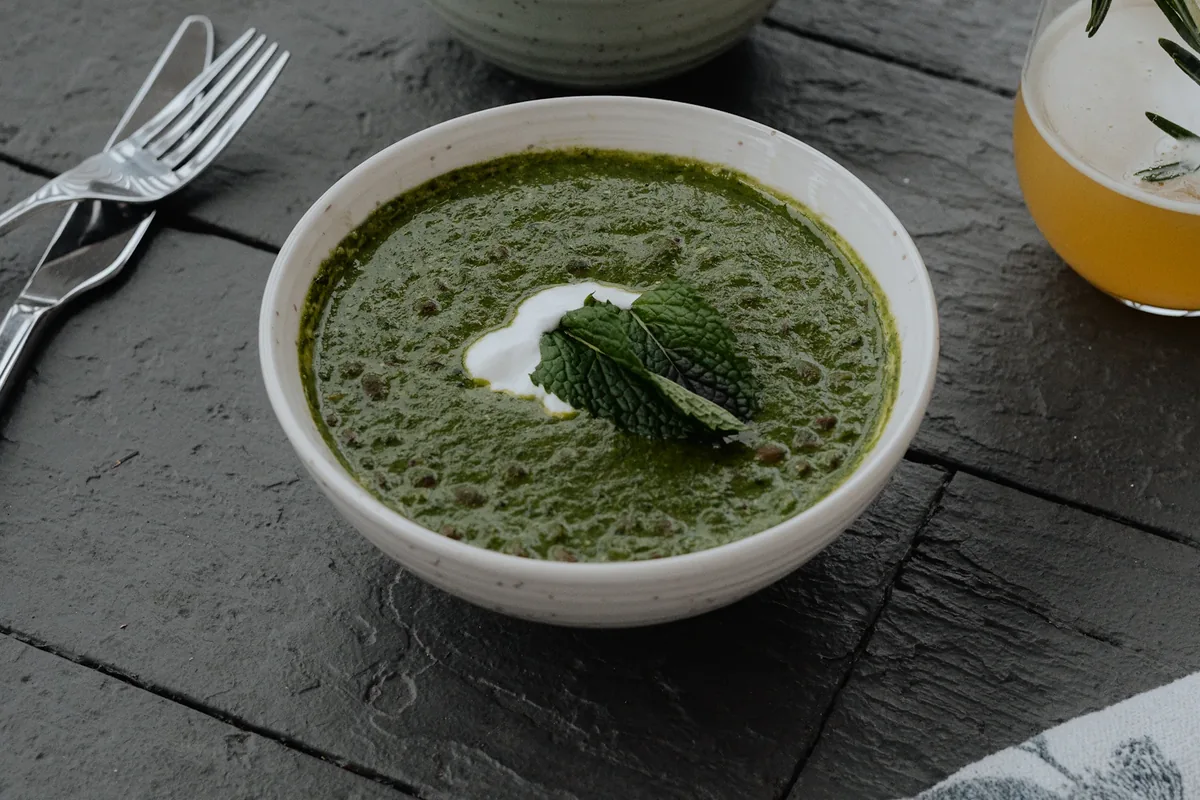
A freezer is most useful when it holds portions you can recognize and realistically eat. An unlabeled block of something is easy to ignore, even when it started as a good meal.
Soups, bean stews, and tomato sauces are good starting points. Pasta, potatoes, cream sauces, and crunchy vegetables may change texture more noticeably, so freeze a small portion first if you are unsure whether you will enjoy the result.
Choose the component carefully
Freeze a tomato lentil sauce separately from cooked pasta. Freeze a bean stew without its yogurt garnish. Keeping these components apart gives you more control when you serve the meal again.
Freezing preserves food; it does not undo unsafe handling before freezing. Cool and refrigerate cooked food promptly, then freeze suitable portions while their quality is still good.
Use containers that fit the portion
Choose freezer-safe containers or bags. Leave a little headroom for liquid foods to expand, following the container guidance. Smaller, flatter portions thaw more evenly and use freezer space efficiently.
Label the meal name, date, and portion count. If a sauce needs extra water or a fresh finishing ingredient, put that note on the label too. A small amount of planning makes the meal much easier to use later.
Thaw by a safe method
Thaw in the refrigerator when you can plan ahead. Some soups and sauces can be reheated from frozen in a suitable saucepan, with gentle heat and frequent stirring. Do not leave a frozen cooked meal on the counter all day.
If using a microwave to thaw, continue promptly into reheating. Follow the appliance instructions and stir or turn the food so colder areas do not remain hidden in the center.
Reheat for safety and quality
USDA recommends reheating leftovers to 74°C / 165°F throughout. Check more than one area of a thick portion. Add liquid to soup or sauce as necessary and keep stirring to prevent a hot outside with a frozen middle.
Add fresh herbs, lemon, or crisp toppings after reheating. Those small finishing touches can improve flavor and texture without changing the underlying meal. For timing and storage details, use the linked official food-safety guidance.
Food-safety references
A couple of useful questions
Can every recipe be frozen?
No. Some are safe to freeze but unpleasant after thawing. The recipe notes explain likely texture changes where relevant.
Does freezing reset the age of food?
No. Freeze food promptly and track how it was stored before freezing. Follow official guidance when thawing and using it.